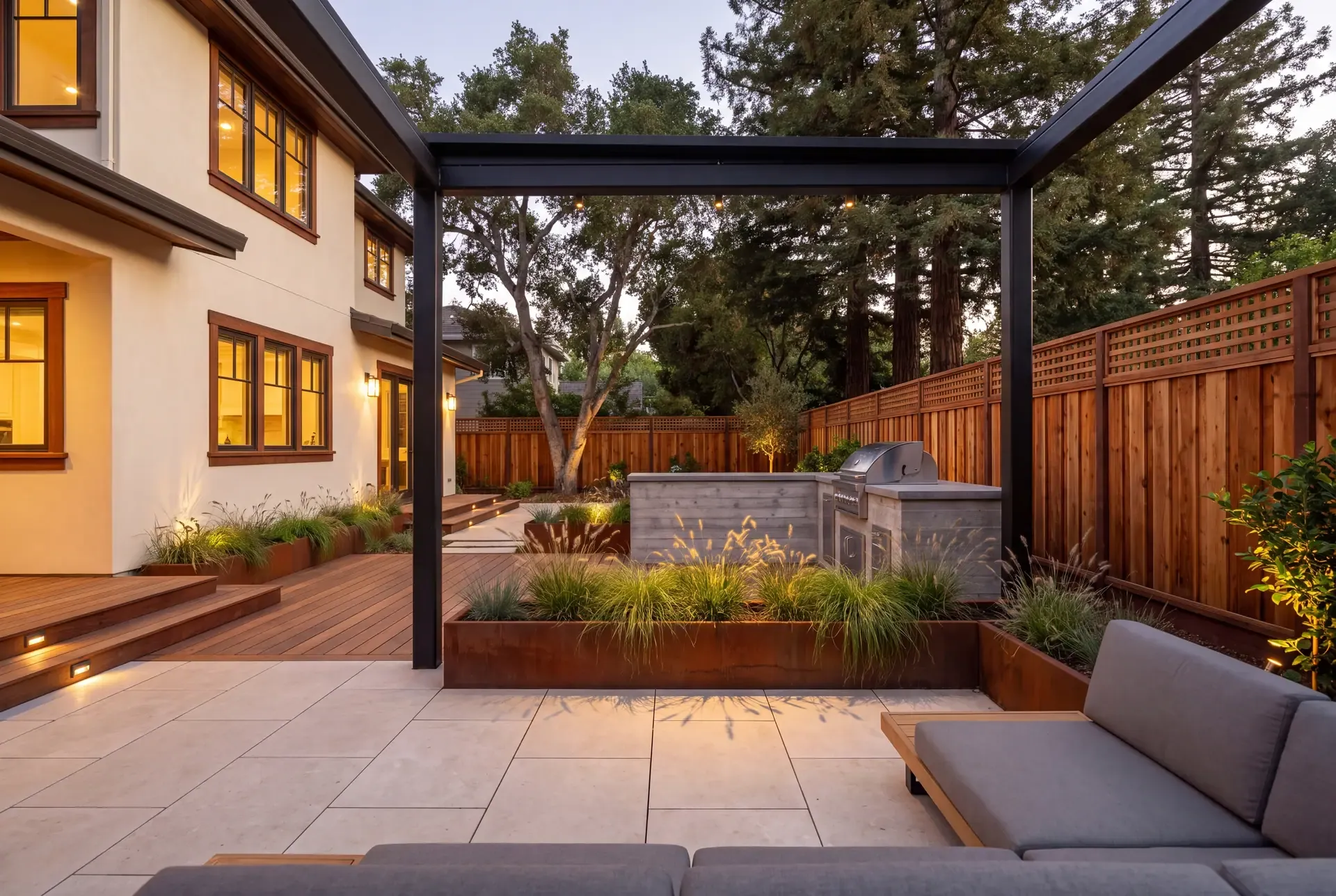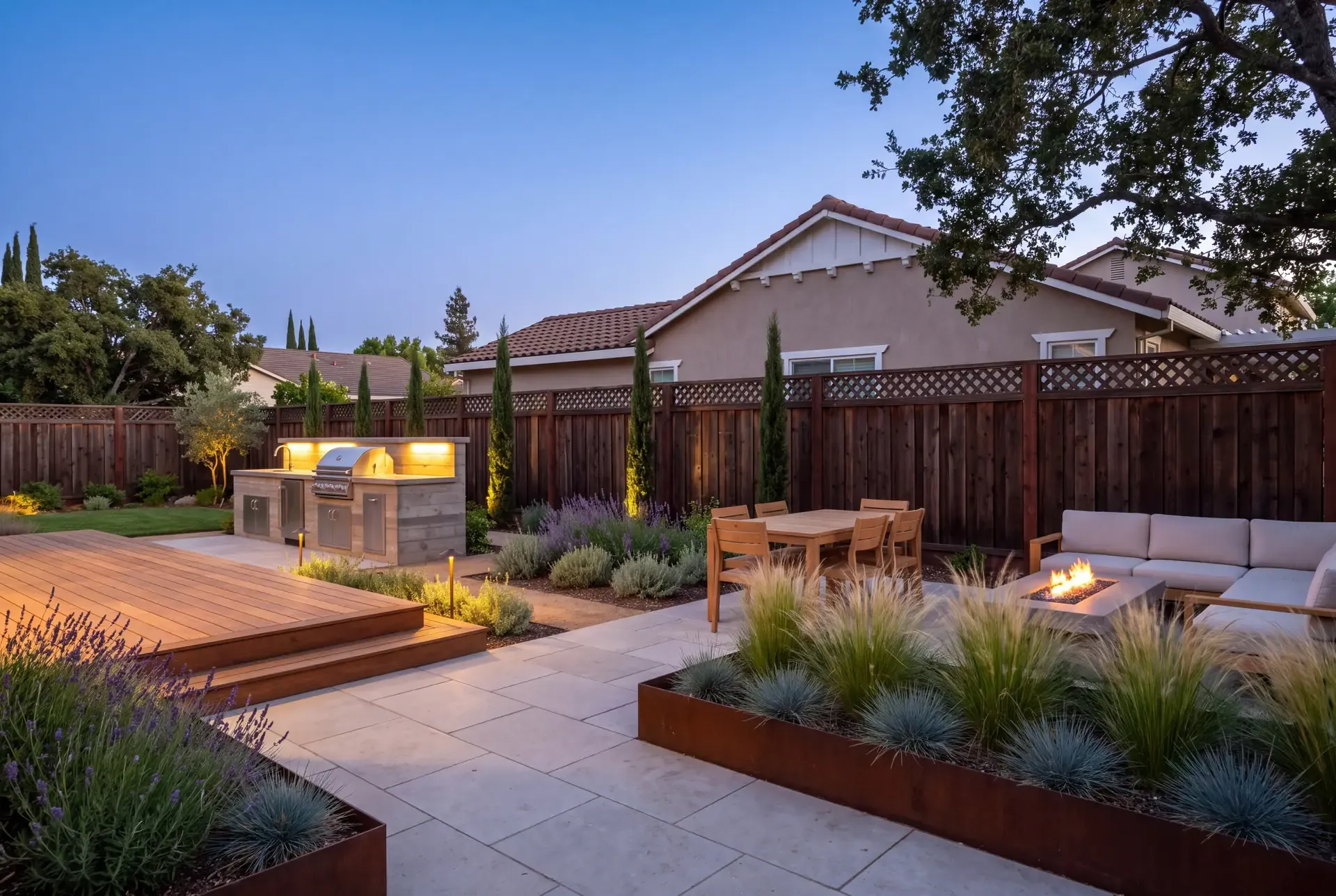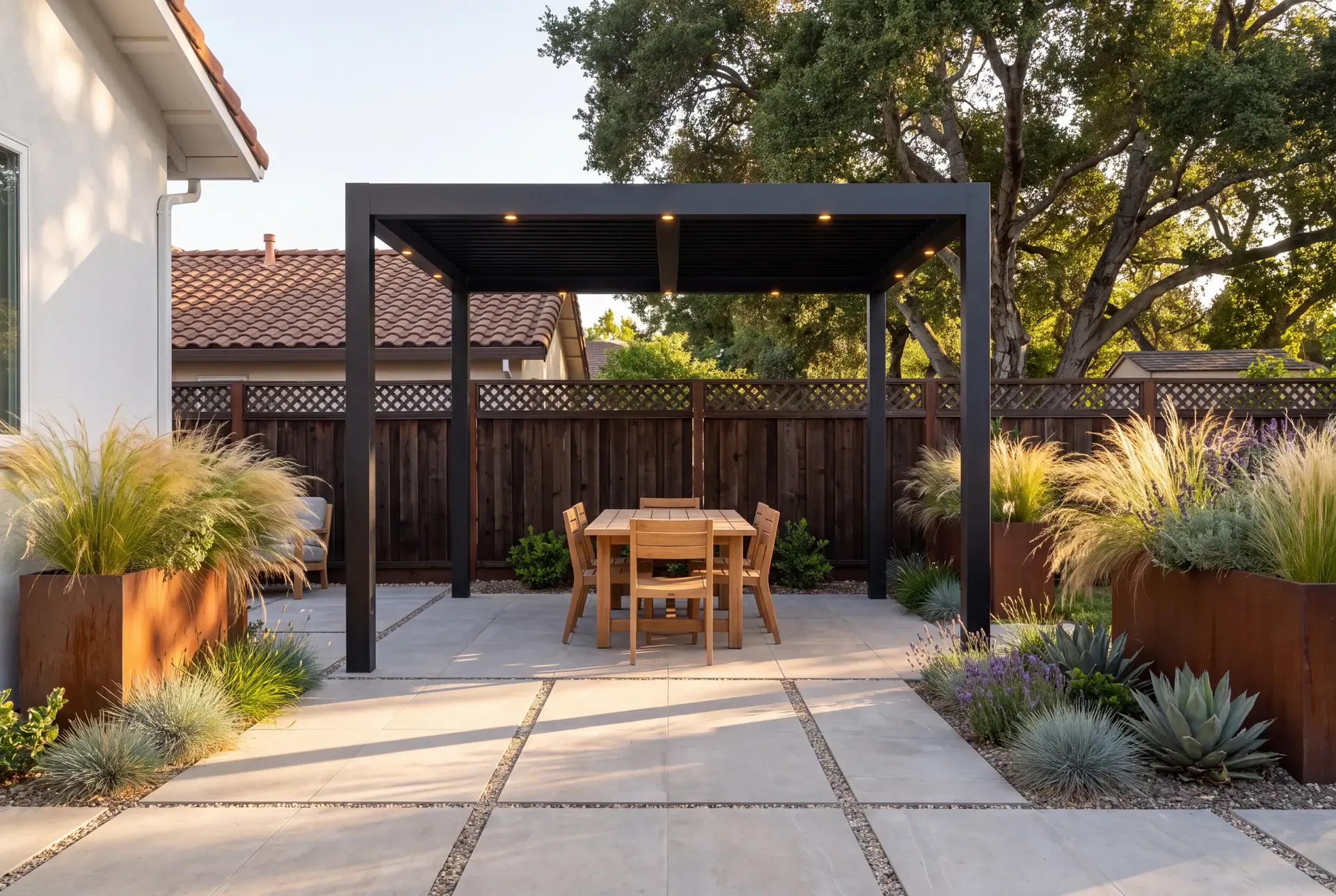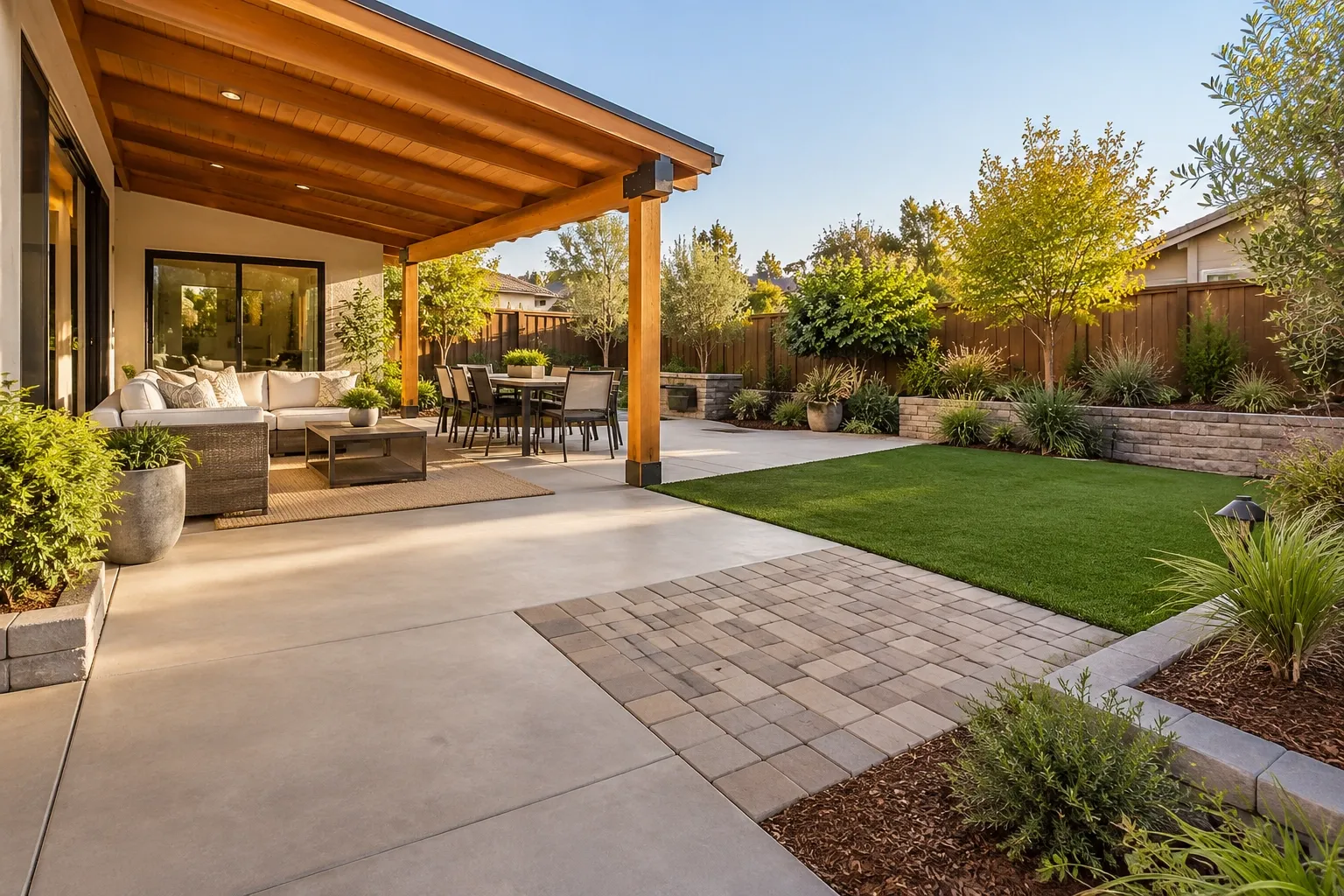
Choosing backyard remodeling materials without exceeding your budget means balancing initial costs, durability, maintenance, and appearance. The best materials are not always the cheapest or most expensive. They are the ones that suit your property, fit your budget, and support how you plan to use your outdoor space.
For Bay Area homeowners, comparing materials before construction can prevent unnecessary expenses. Whether you are planning a patio, deck, artificial lawn, or outdoor kitchen, thoughtful selection helps you create an attractive backyard without overspending.
Set Your Backyard Remodeling Budget Before Choosing Materials
Start by establishing a realistic budget for materials, labor, site preparation, drainage, and finishing work. Consider your priorities before comparing products, and reserve some money for unexpected expenses.
Prioritize Essential Features Over Decorative Upgrades
Focus on features that improve everyday use, such as a functional patio, comfortable seating, and proper drainage. Decorative borders, premium finishes, and elaborate patterns can come later if your budget allows.
For example, a simple concrete patio combined with attractive landscaping may provide better value than an expensive stone surface that consumes most of your budget.
Account for Material Costs, Labor, and Installation
Material prices do not represent the complete project cost. Preparation, delivery, installation, and finishing can significantly affect your final expenses.
When comparing contractor estimates, consider:
- Material quantities and potential waste.
- Delivery fees and equipment requirements.
- Excavation, base preparation, and drainage.
- Installation labor and finishing work.
- Applicable permits and additional construction costs.
Compare complete estimates rather than choosing materials based on purchase price alone.
Compare Popular Backyard Remodeling Materials by Cost and Durability
Different materials offer different advantages. Your decision should reflect your budget, preferred appearance, property conditions, and maintenance expectations.
Pavers, Concrete, and Natural Stone for Patios and Walkways
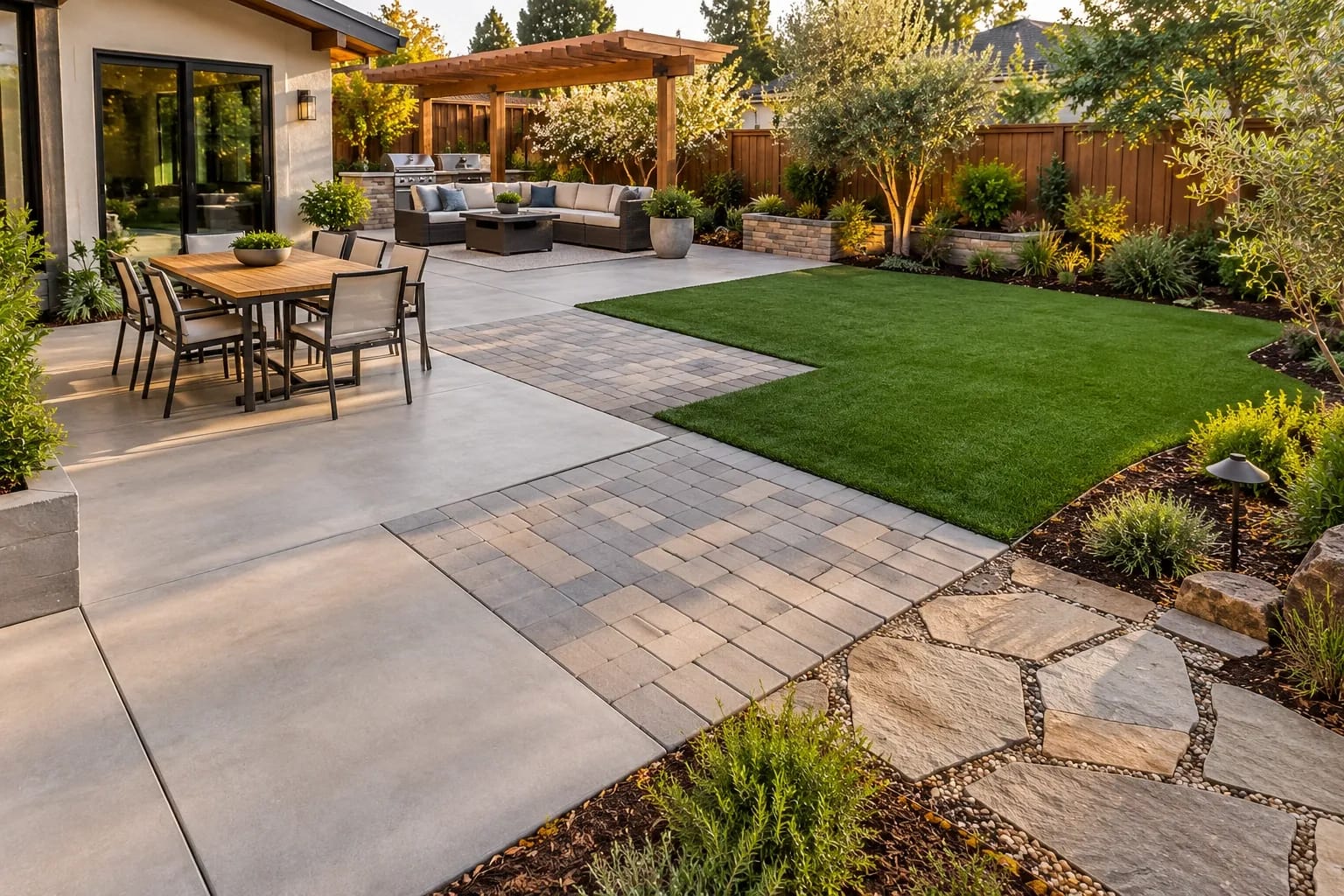
Concrete, pavers, and natural stone are popular backyard patio materials. Each offers a different balance of cost, appearance, and installation requirements.
Material | Main advantages | Budget considerations |
|---|---|---|
Concrete | Versatile and practical | Basic finishes are often economical |
Concrete pavers | Flexible patterns and individual unit replacement | Base preparation and installation affect costs |
Natural stone | Distinctive textures and premium appearance | Material selection and labor may cost more |
When comparing pavers vs concrete, consider the installed price and desired appearance. Pavers offer design flexibility and allow individual units to be replaced, while concrete may be more economical for straightforward layouts.
Natural Grass vs Artificial Turf
Natural grass creates a traditional lawn but requires mowing, watering, and regular care. Artificial turf reduces routine lawn maintenance but requires proper installation, drainage, and occasional cleaning.
Natural grass may suit homeowners who enjoy gardening, while artificial turf may appeal to those seeking a consistent appearance with less mowing. Compare initial installation expenses with ongoing maintenance before deciding.
Wood vs Composite Decking
Wood decking provides a natural appearance but may require sealing, staining, or other protective treatments. Composite decking generally requires less routine maintenance, although its initial cost can be higher.
Compare specific products, installation costs, warranty terms, and expected maintenance. Your choice should reflect both your budget and how much upkeep you are willing to handle.
Wood, Aluminum, and Other Patio Cover Materials
Wood patio covers offer a traditional appearance but may require periodic maintenance. Aluminum options generally require less routine upkeep and resist many issues associated with wood decay.
Consider the structure's size, shade requirements, drainage, and installation needs. A straightforward design may provide the comfort you need without the expense of a complex custom structure.
Outdoor Kitchen Countertops and Cabinet Materials
Outdoor kitchens need materials suited to moisture, weather exposure, and regular use. Suitable natural stone, porcelain, and other outdoor-rated countertop surfaces can provide durable options.
Stainless steel and other weather-resistant cabinet materials may also be suitable. To control costs, prioritize practical storage and adequate preparation space before investing in premium finishes or specialized appliances.
Choose Materials That Balance Upfront Cost and Long-Term Value
A low purchase price does not always mean lower long-term expenses. Consider maintenance, repair costs, and expected service life before making your final decision.
For example, wood decking may cost less initially but require more maintenance than some composite products. However, composite decking's higher purchase price may not be worthwhile for every homeowner.
Bay Area conditions, including sun exposure, seasonal rainfall, and drainage, can also influence material performance. A well-planned backyard design helps you select materials that work together and suit your property's needs.
Where to Save Money on Backyard Remodeling Materials
You can control remodeling costs by simplifying the design and spending selectively. Use premium materials where appearance or durability matters most, and choose affordable alternatives for less prominent areas.
Consider retaining existing features when they remain safe and functional. Keeping suitable plants or reusing a surface can reduce demolition and replacement expenses.
Planning ahead also helps prevent delays and unnecessary changes. Reviewing the backyard remodeling timeline can help you coordinate material selections and construction stages.
How to Compare Material Quotes and Plan Your Backyard Design
Request itemized estimates so you can compare similar materials and the same project scope. Confirm what each contractor includes before approving a proposal.
A useful estimate should identify material quantities, labor, preparation, delivery, installation, and applicable additional costs. Also review product warranties, availability, and maintenance requirements.
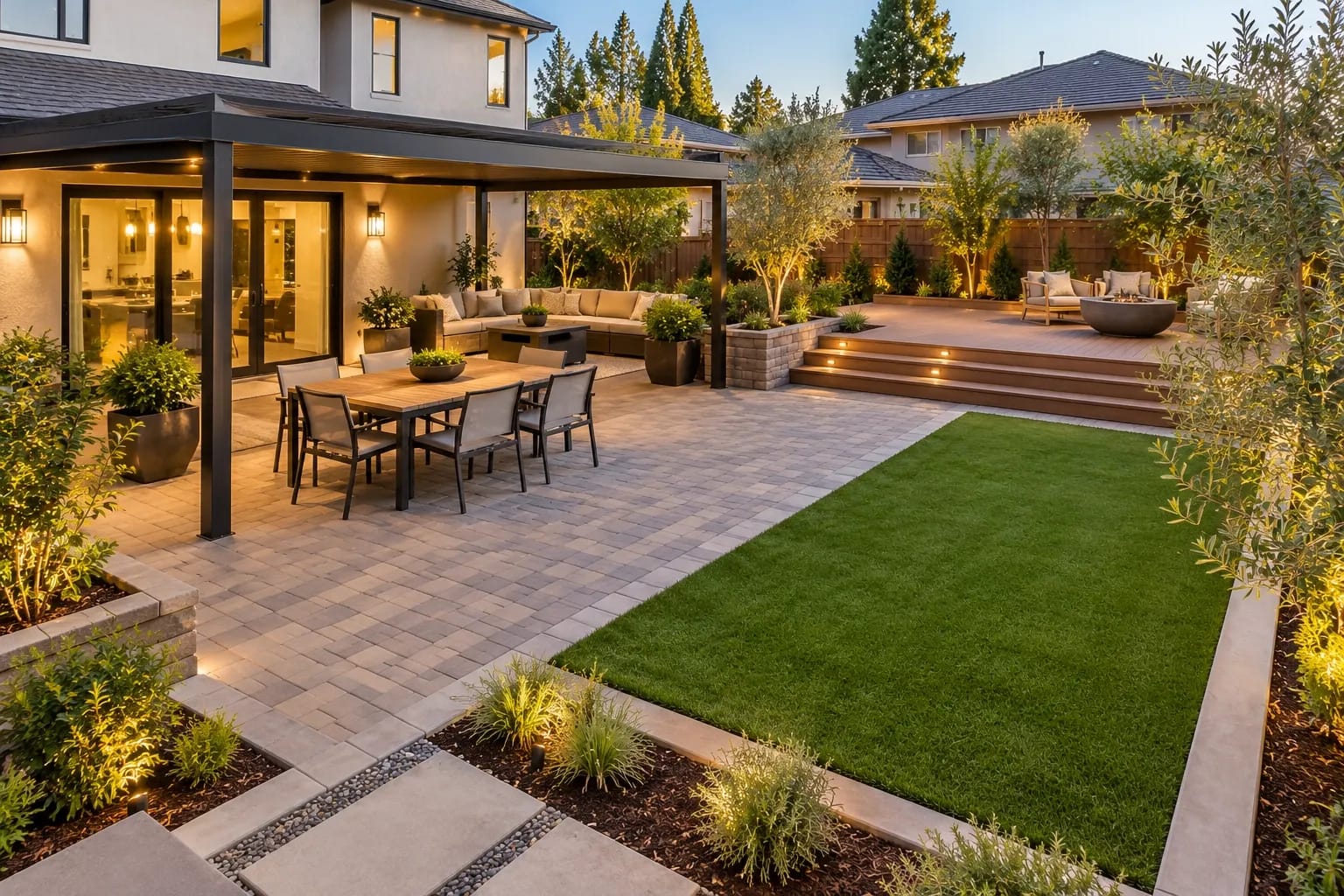
Visual planning can help you avoid costly design changes. A 3D backyard rendering lets you assess how patios, planting areas, decking, and covered spaces work together before construction begins.
Finalize material selections early whenever possible. If changes become necessary, confirm their cost and schedule impact before approving them.
Conclusion
Choosing backyard remodeling materials requires balancing cost, durability, maintenance, and appearance. Prioritize essential features, compare complete installation estimates, and combine premium finishes with affordable alternatives where appropriate.
R&R Backyard Remodeling helps Bay Area homeowners plan outdoor living spaces through an integrated design-and-build approach. If you are planning a backyard renovation, contact the team to discuss your project and explore options that fit your needs and budget.